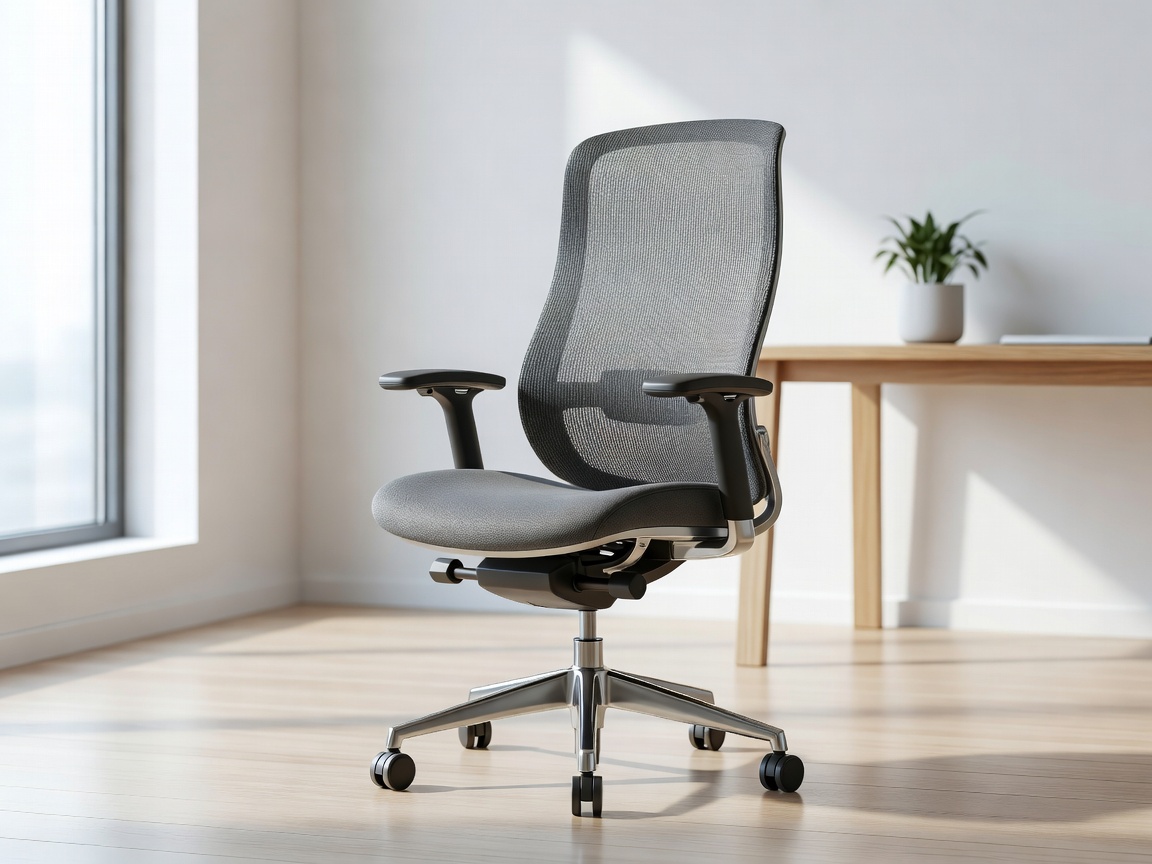
As the modern workforce increasingly shifts toward desk-bound operations, the chair you sit in has transitioned from a mere piece of furniture to a critical piece of health equipment. An ergonomic office chair is designed to support the human body dynamically, reducing musculoskeletal strain during prolonged periods of sitting.
Core Components of Ergonomics
True ergonomics is not a one-size-fits-all solution; it relies heavily on adjustability to match the unique anthropometrics of the user. When evaluating an office chair, specific mechanical adjustments must be present to qualify the seat as genuinely ergonomic.
Lumbar Support Integration
The human spine has a natural inward curve at the lower back (the lordotic curve). Sitting for long periods without support tends to flatten this curve, leading to slouching and strain on the lower spinal discs. A proper ergonomic chair features an adjustable lumbar support system—allowing the user to alter both the height and depth of the support to perfectly fit the arch of their back.
Seat Pan Depth and Height
Seat height adjustability via a pneumatic cylinder is standard, ensuring your feet rest flat on the floor with thighs parallel to the ground. Less common, but equally vital, is seat pan depth adjustability. A seat that is too deep will apply pressure to the back of the knees, restricting blood flow. A seat that is too shallow will not provide sufficient support to the thighs. A slider mechanism allows the user to leave roughly two to four inches of space between the back of the knees and the seat edge.
Material Selection: Mesh vs. Foam and Fabric
The upholstery and padding of a chair dramatically affect its thermal comfort and structural longevity.
- Suspension Mesh: High-tensile elastomeric mesh offers excellent breathability, preventing heat buildup during long working sessions. Quality mesh distributes weight evenly and resists sagging over time. However, abrasive clothing can sometimes wear against it, and poor-quality mesh can feel rigid.
- High-Density Foam: Foam cushions upholstered in fabric or leather provide a softer, more traditional feel. They are often better for users who shift their weight frequently or sit in non-standard positions. Over years of use, foam will eventually compress and lose its supportive properties.
Evaluating Pros and Cons
| Factor | High-End Ergonomic Chairs | Standard Office Chairs |
|---|---|---|
| Adjustability | Multi-dimensional (armrests, lumbar, seat depth, tilt tension). | Basic (height only, minimal tilt). |
| Longevity | Built with cast aluminum and engineered plastics; often rated for 10+ years. | Basic plastics and low-density foam; typically degrade within 2-3 years. |
| Health Impact | Actively mitigates back pain, neck strain, and poor circulation. | May contribute to repetitive stress injuries and poor posture. |
Making the Investment
Quality ergonomic chairs command a higher upfront premium. However, when factored over a ten-year lifespan—and considering the potential medical costs and lost productivity associated with chronic back pain—the cost per use is remarkably low.
When selecting a chair, prioritize mechanisms that allow movement. The human body is not designed to remain static. The best ergonomic chair is one that supports your posture while actively encouraging micro-movements throughout your workday, keeping muscles engaged and the spine properly aligned.