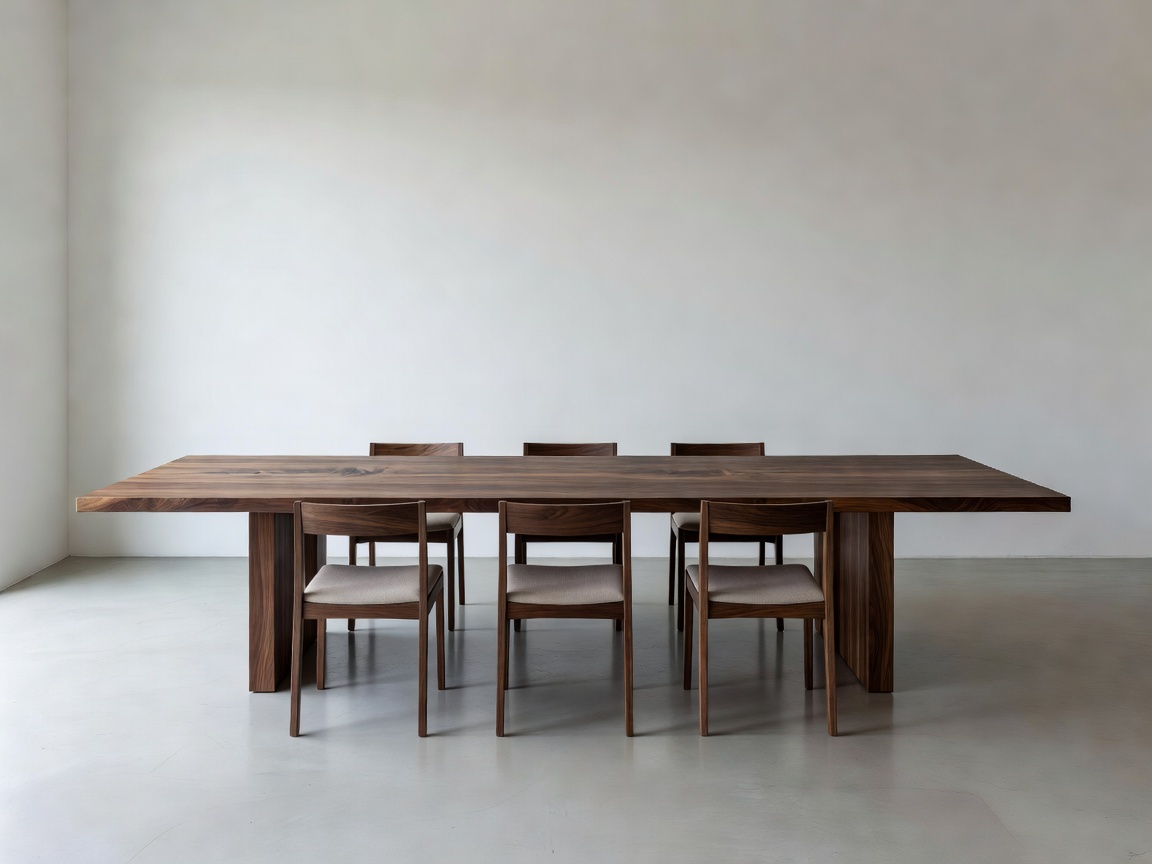
A dining table is more than just a surface for meals; it serves as the functional and aesthetic anchor of a home. With the market flooded with veneers, laminates, and engineered composites, choosing a genuine solid wood dining table represents a commitment to longevity and timeless design. This guide examines the fundamental properties of solid wood tables to help you make an informed investment.
The Principal Hardwoods
The type of wood dictates not only the appearance of the table but its resilience against daily wear and tear. Hardwoods are derived from deciduous trees and generally offer a denser, more durable structure than softwoods.
Oak (Red and White)
Oak is renowned for its exceptional strength and pronounced grain patterns. White oak, in particular, features a closed cellular structure that makes it highly resistant to moisture and rot. It is often favored in both rustic and contemporary settings due to its versatility when stained. Red oak offers similar durability but with a slightly warmer, reddish undertone.
Walnut
Prized for its rich, dark chocolate hues and smooth, tight grain, walnut is the material of choice for premium mid-century modern and formal dining tables. While slightly softer than oak, it holds its shape remarkably well and polishes to an exceptionally smooth finish. Walnut's color can lighten slightly over time when exposed to direct sunlight.
Ash and Maple
Ash and maple provide excellent alternatives for spaces requiring a lighter, more airy aesthetic. Maple is incredibly hard—often used for butcher blocks—making it highly resistant to dents and scratches, though it can be challenging to stain uniformly. Ash shares similar strength characteristics but possesses a more open grain, visually akin to oak, but lighter in natural colour.
Construction and Joinery
The lifespan of a solid wood table is equally dependent on how it is built. Wood is a hygroscopic material; it expands and contracts with changes in ambient humidity. Poor construction will result in warping, cracking, or splitting over time.
- Mortise and Tenon: One of the oldest and most robust joints, involving a projecting piece of wood (tenon) fitting perfectly into a carved hole (mortise).
- Apron Connections: A wooden apron beneath the tabletop provides structural support to the legs and helps keep the main surface flat.
- Expansion Allowances: High-quality tables utilise fasteners (like figure-eight brackets or z-clips) that secure the top to the base while allowing the wood to move slightly across its grain.
Pros and Cons of Solid Wood
| Advantages | Disadvantages |
|---|---|
| Incredible durability and potential to last generations. | Higher initial cost compared to veneer or engineered wood. |
| Can be sanded down and refinished multiple times. | Susceptible to damage from extreme humidity or temperature shifts. |
| Unique, natural variations in grain make every piece one-of-a-kind. | Considerably heavier, making relocation difficult. |
| Environmentally sustainable if responsibly sourced (e.g., FSC certified). | Requires regular maintenance (oiling or waxing) depending on the finish. |
Finishes and Maintenance
The finish applied to a solid wood table dictates how you will interact with it daily. Polyurethane finishes offer a hard, plastic-like shell that is highly resistant to spills and ring marks, requiring minimal maintenance. However, scratches can be difficult to spot-repair.
Conversely, oil or wax finishes penetrate the wood fibers, preserving the tactile warmth of the natural wood. While these finishes demand more regular maintenance—such as re-oiling every few months—they are incredibly easy to repair; a light sanding and a fresh coat of oil can make a damaged spot disappear entirely.
Everyday Care Guidelines
To preserve your table, always use coasters under beverages and trivets beneath hot dishes. Wipe spills immediately with a slightly damp cloth, avoiding harsh chemical cleaners which can strip the protective finish. Maintaining a consistent indoor humidity level (ideally between 40% and 45%) will prevent the wood from expanding or shrinking excessively, ensuring the joints remain tight and the surface remains flat for decades to come.