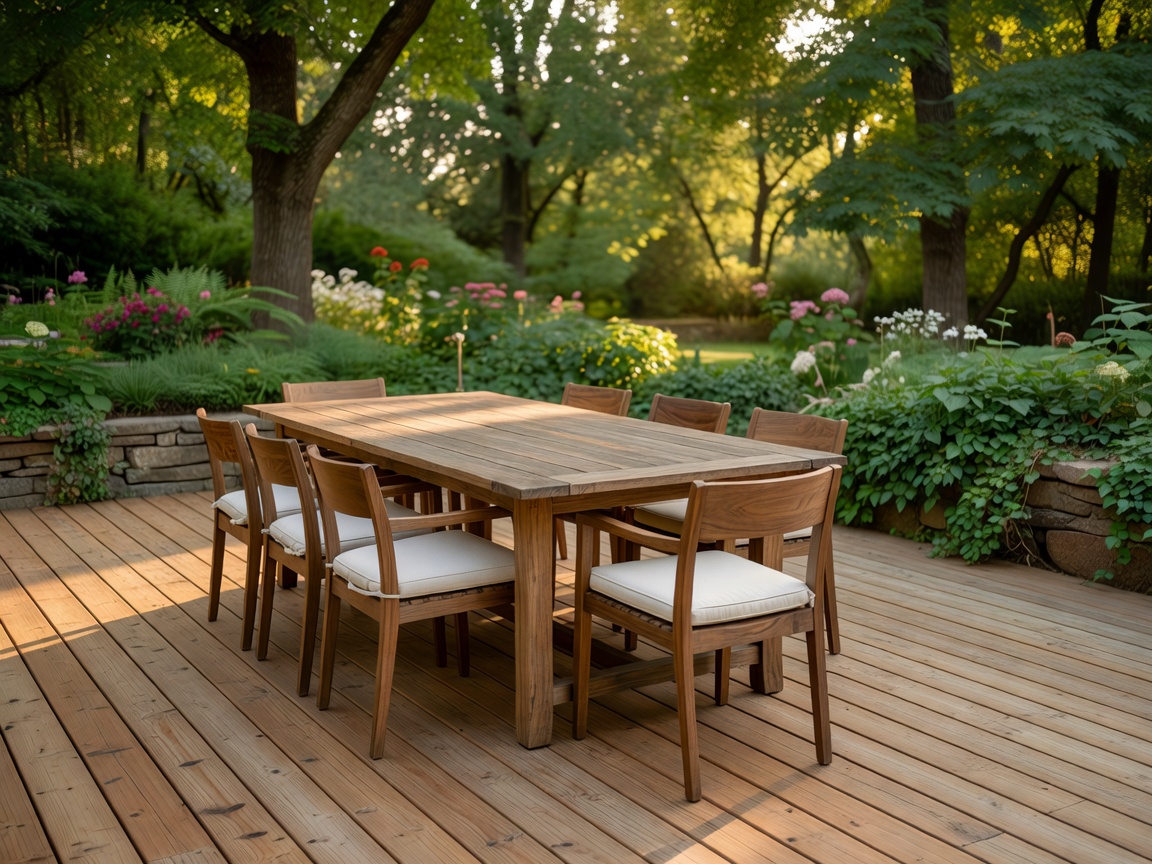
Outdoor furniture faces an intense, uncompromising environment. It must resist ultraviolet radiation from the sun, torrential rain, fluctuating temperatures, and biological threats like mold and mildew. Traditionally, manufacturers turned to heavy chemical treatments and virgin plastics to meet these challenges. Today, sustainability and durability can exist in perfect harmony through careful material selection.
The Benchmark: FSC-Certified Teak
Teak has long been the gold standard for marine and outdoor applications. This dense hardwood contains high levels of natural oils and rubber, which act as a built-in defense mechanism against water penetration and insect rot.
However, unregulated teak harvesting has historically driven deforestation. To ensure your purchase is sustainable, look for the Forest Stewardship Council (FSC) certification. This guarantees that the wood was harvested from responsibly managed forests that provide environmental, social, and economic benefits. Left untreated, high-quality teak will weather gracefully to a silvery-grey patina without losing its structural integrity.
High-Density Polyethylene (HDPE) Recycled Plastic
One of the most exciting innovations in sustainable outdoor furniture is the use of recycled plastics, specifically High-Density Polyethylene (HDPE). Manufacturers divert post-consumer waste—such as milk jugs and detergent bottles—from landfills and oceans, processing them into dense, heavy lumber.
- Incredible Durability: HDPE is completely impervious to water. It will not rot, splinter, crack, or peel.
- Colorfast: High-quality recycled plastic furniture has UV-inhibited pigment mixed throughout the material, not just painted on the surface, ensuring vibrant colors that resist fading.
- Low Maintenance: It requires no waterproofing, painting, or staining. A simple wash with soap and water is sufficient for year-round maintenance.
Metals: Aluminum and Stainless Steel
Metals are highly recyclable and offer a sleek, modern aesthetic for outdoor spaces.
Powder-Coated Aluminum: Aluminum is exceptionally lightweight and naturally resistant to rust, making it ideal for coastal environments. The powder-coating process is environmentally friendly, emitting near-zero volatile organic compounds (VOCs) compared to traditional liquid paints.
Stainless Steel: Offering a heavier, architectural look, high-grade stainless steel (such as 316 marine-grade) is incredibly robust. While the initial carbon footprint of steel production is high, its longevity and 100% recyclability make it a sustainable long-term choice.
Material Comparison
| Material | Weather Resistance | Maintenance Level | Eco-Credential |
|---|---|---|---|
| FSC Teak | Excellent | Moderate (oiling optional) | Renewable resource |
| Recycled HDPE | Outstanding | Very Low | Diverts landfill waste |
| Aluminum | High | Low | Highly recyclable |
Winter Storage and Preservation
While sustainable outdoor furniture is designed to endure, taking simple precautions during harsh winters will dramatically extend its life. Utilizing breathable, water-resistant covers prevents ice buildup and protects against the accumulation of organic debris. If space permits, moving cushions and lightweight frames into a shed or garage over the most severe months ensures they emerge pristine in the spring. Investing in durable materials and maintaining them properly is the truest form of sustainable consumerism.